The current COVID-19 outbreak has created global trauma in the healthcare industry, both economies and businesses have also felt it’s devastating impact worldwide.
While many tech companies, law offices, financial and marketing firms have closed or imposed a work-from-home policy to keep the health of their employees safe, the pandemic has presented especially challenging circumstances to the manufacturing industry.
How the Manufacturing Industry Has Been Affected by COVID-19
Because production relies on onsite workers, manufacturing plants don’t have many options right now other than to implement health precautions in-house and limit onsite personnel as much as possible.
Manufacturing has become more essential than ever during this crisis to keep supply chains from reaching a complete standstill. Many manufacturing companies are critical in producing much-needed medical and home-based supplies and are therefore considered essential businesses.
The challenge now lies in keeping those employees who have to come into the workspace safe, while also trying to come up with ways to operate the same amount of production, with fewer onsite personnel.
How Manufacturers Are Adapting to These New Challenges
Manufacturers need to adapt to the industry challenges brought upon by the pandemic and be creative in how production lines can continue to run efficiently with limited staff.
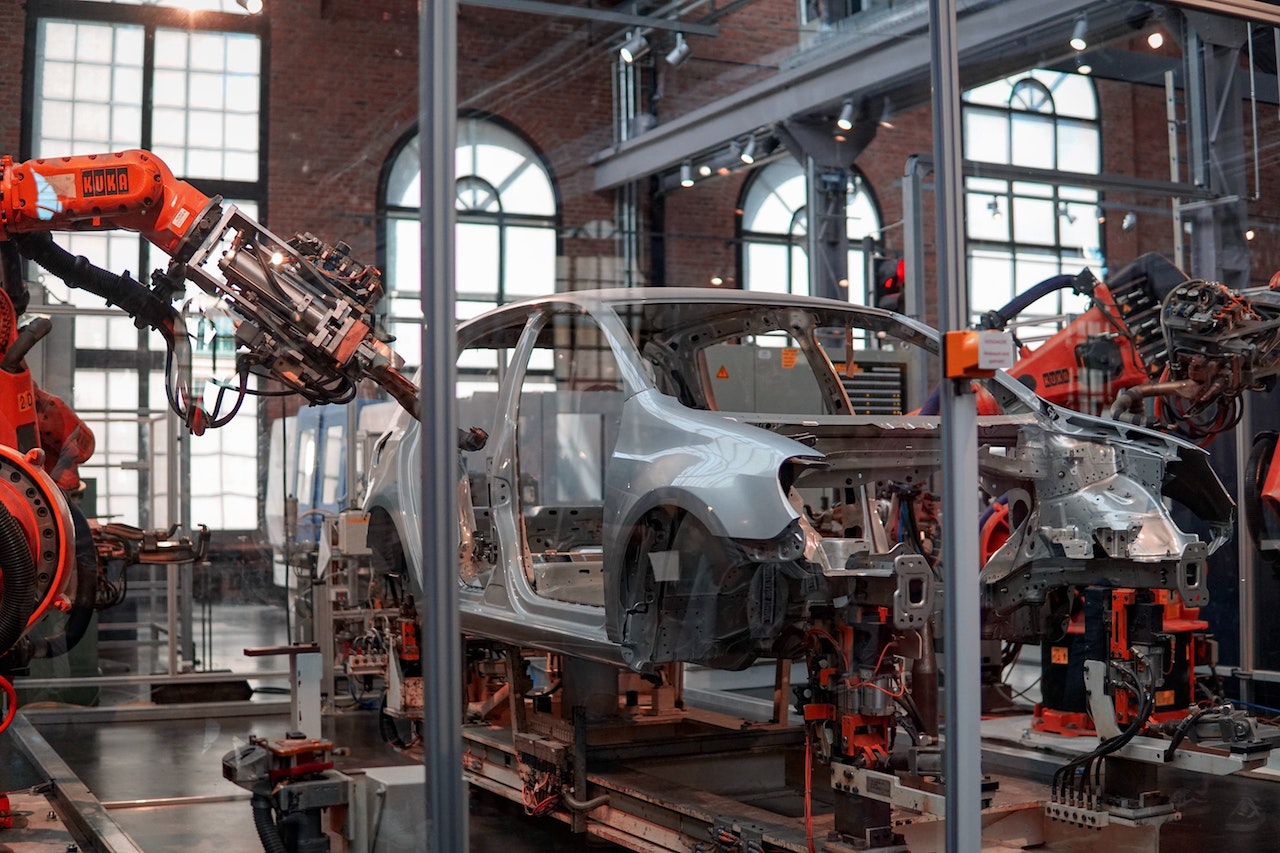
For many manufacturing companies, this means that now is an essential time to look into the deployment of automation and other smart technology.
Manufacturing Communication Systems
One widely implemented technology is manufacturing communication systems. These systems can help to reduce workload by communicating to essential personnel without the need for person to person contact, therefore, decreasing worker density.
Smart manufacturing communication systems also connect to workers in other departments on the production floor, providing real-time data to make processes more efficient. This communication makes these systems highly valuable for industrial workers and enables managers and supervisors to receive critical information immediately. They can then address issues more efficiently, allowing fewer personnel to be working onsite.
Custom-Built Automation Software
Other technology such as custom-built automation software can make it easier to facilitate automation by building connections with applications that are already used in various manufacturing processes. This allows systems to communicate with one another and send automatic notifications to employees. The right automation software can help teams to target inefficiencies within their operations with built-in analytics and provide visual aspects to build workflows.
Cross-Training Tools
Implementing and investing in cross-trainings online is another way to reduce the need for on-site personnel and leads to a more flexible and skilled manufacturing workforce. There are plenty of cross-training softwares available, allowing staff to upskill in other areas in manufacturing processes and fill new roles, once again reducing the staff needed to keep up with the same amount of production.
Implement Work Safety Guidelines to Promote Health
In addition to integrating new technology and communication systems to boost productivity and limit the need for onsite staff, manufacturing plants should establish strict guidelines to maintain healthy practices while onsite.
Aside from the frequent and in-depth sanitization of equipment and high-touch surfaces, crucial employees that are essential to the manufacturing and production process should adhere to the following guidelines:
1. Determine Which Members of Your Staff Are Essential
Managers and supervisors should determine who the essential employees are and work with small, alternating skeleton crews that rotate regularly. This is crucial as fewer regular individuals will lower the risk of contagion and the virus from entering the workspace while allowing for more social distancing and space between employees.
Smaller teams should be established to minimize the risk of cross-contamination and the spreading of the virus between crews. Furthermore, if an outbreak does occur, fewer workers are exposed and forced into quarantine. If this does happen, an alternative team can take over and continue production once the exposed site has been thoroughly disinfected. Critical employees should also be isolated from others to protect them, and other employees should be instructed to keep their distance.
2. Stagger Schedules
Schedules should be staggered in such a way that ensures that key management and personnel are not onsite at the same time or during the same shifts. This will prevent the spread of the virus to all key employees at the same time should anyone catch the virus, allowing the site to stay open and carry on producing.
Staggering not only shifts but also start and end times and lunch breaks will help support social distancing by minimizing groups of employees getting together in one limited space. New shifts can also be created to help with staggering, such as late evenings, during weekends, and overnight shifts.
3. Prevent Unnecessary Visits
Employees should be limited to working at one location, and visitors and guests should be prohibited from entering the workspace for the foreseeable future. Managers need to take social distancing seriously and zone the production floor to prevent employees from entering areas that are non-essential to their specific tasks.
If at all possible, separate machinery up to 6-foot in distance to keep workers separated, and install plastic partitions. Regular cleaning of air conditioning systems should also be a top priority to promote clean airflow while ensuring that a certain percentage of outdoor air is circulating in the facility to reduce the virus’s chances of spreading.
As manufacturers implement these safe work policies and establish ways to integrate technology that will boost efficiency, they can continue to work productively during the pandemic and provide supplies that are much needed in today’s declining economy.